
Itaquera, Brazil, Community Artisan Center
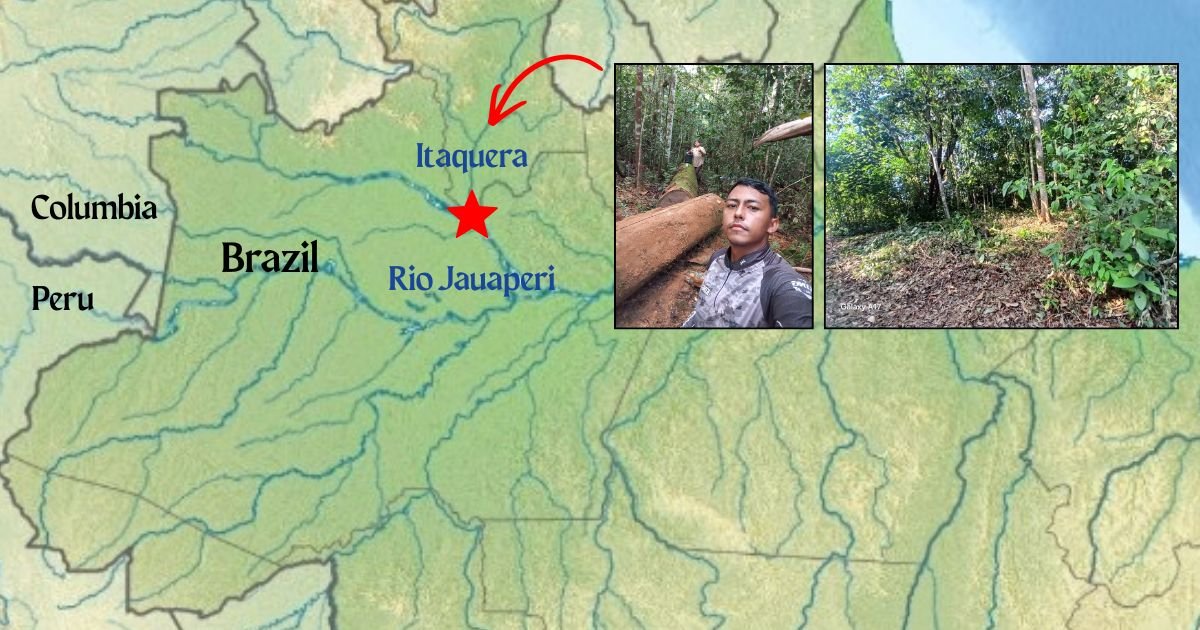
Located in the heart of Brazil’s Jauaperi River region, the Itaquera Community Artisan Center is creating new opportunities for riverside families through traditional crafts and community-based tourism. In partnership with AARJ, the center will help local artisans—particularly women and families—build dignified livelihoods while honoring their cultural heritage and protecting the fragile river ecosystem. By connecting economic opportunity with environmental stewardship, the project offers an alternative to extractive activities that threaten both communities and the natural world.
At the heart of the project is a new community-run artisan center in Itaquera, the region’s largest settlement. The center will provide a dedicated space where artisans can create, display, and sell traditional crafts, while also offering visitors hands-on cultural workshops and educational experiences. These activities will connect travelers directly with local knowledge and traditions while complementing important conservation efforts, including turtle protection. Tourism becomes not simply a source of income, but a tool for protecting what makes the region unique.
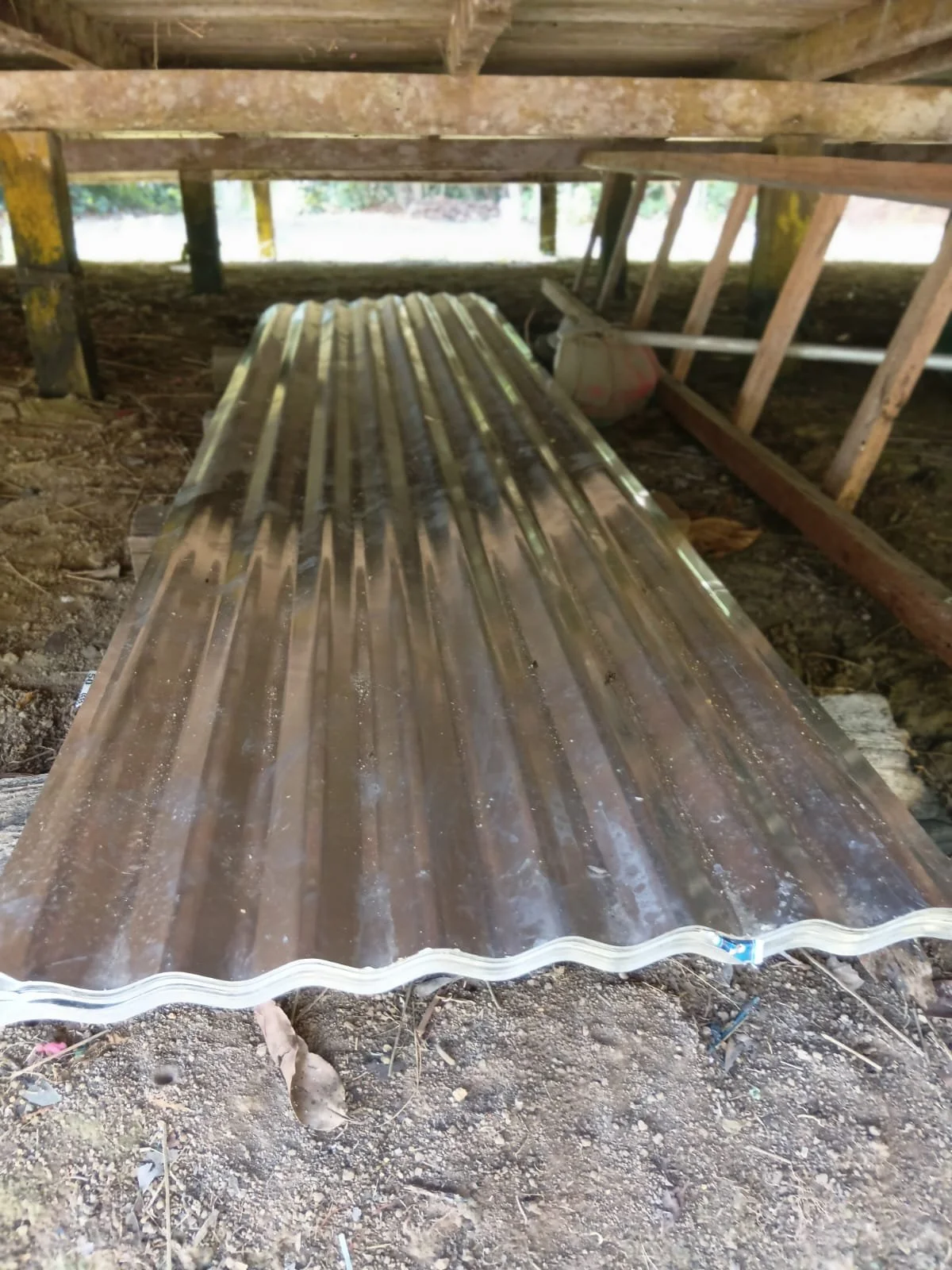
The center will be built and managed through a deeply participatory process, with community members helping shape its development and making major decisions through open, democratic assemblies. Initial support will provide construction, materials, and training in both craft production and hospitality, helping artisans create high-quality products and meaningful visitor experiences. This approach strengthens local skills, shared ownership, and long-term community resilience.
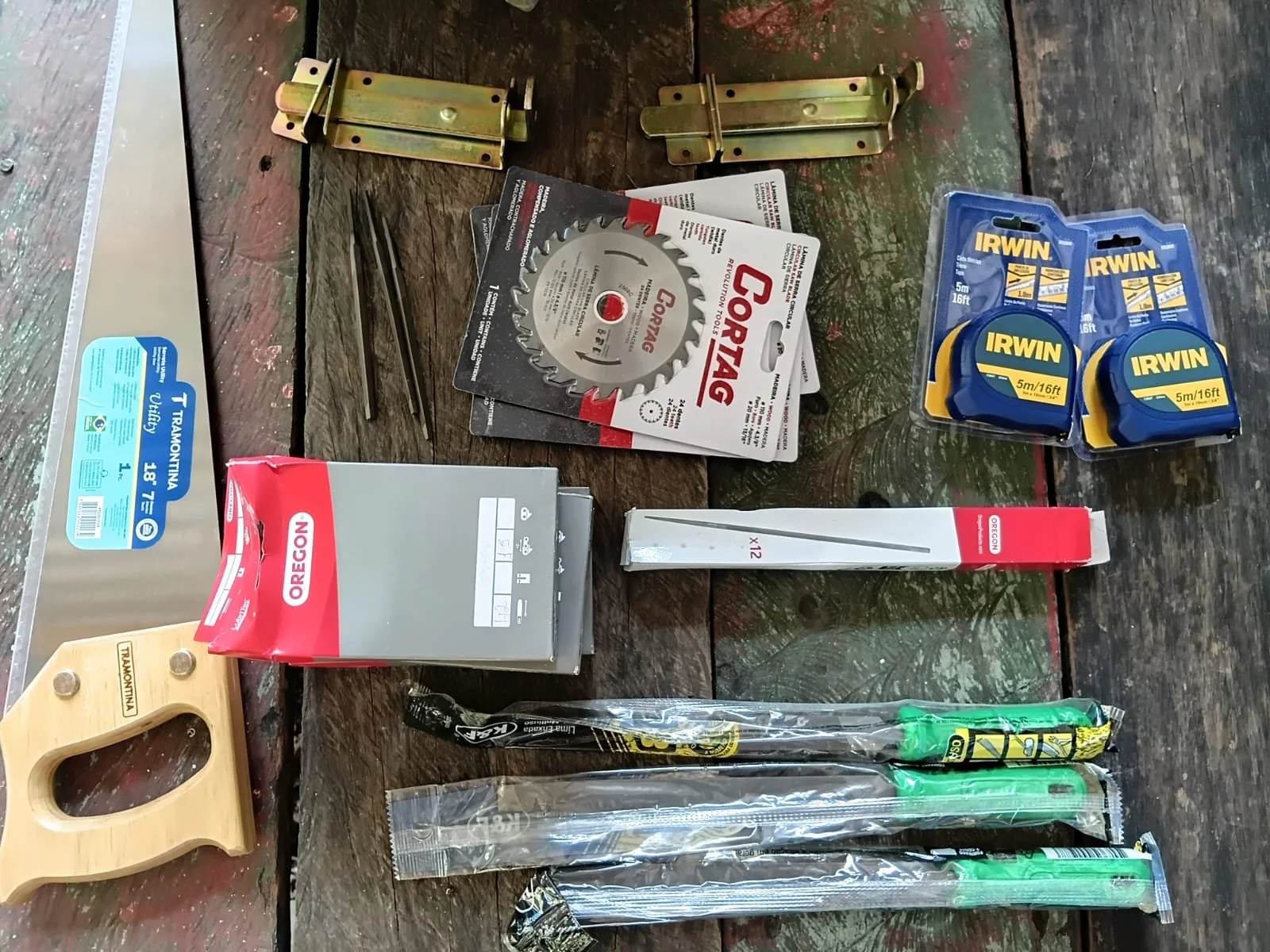
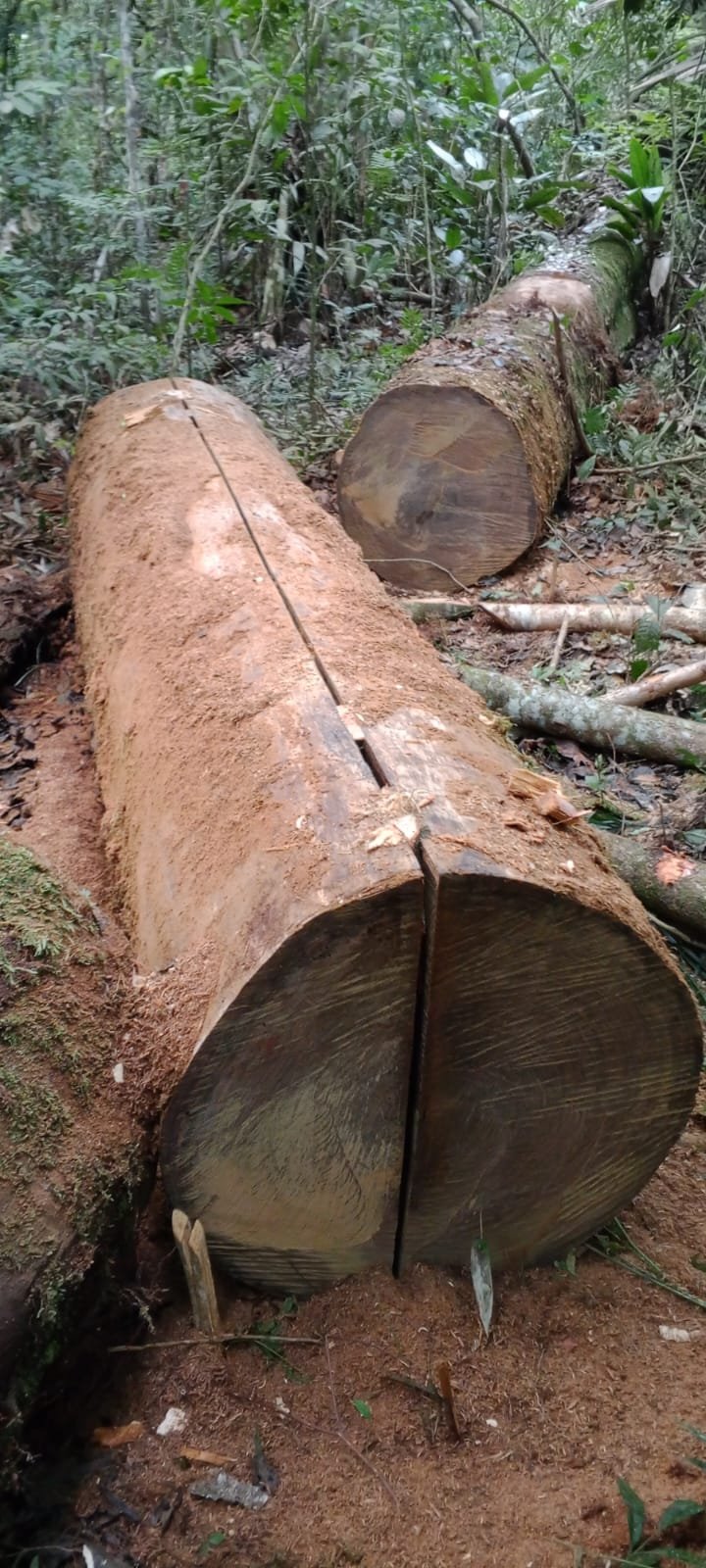
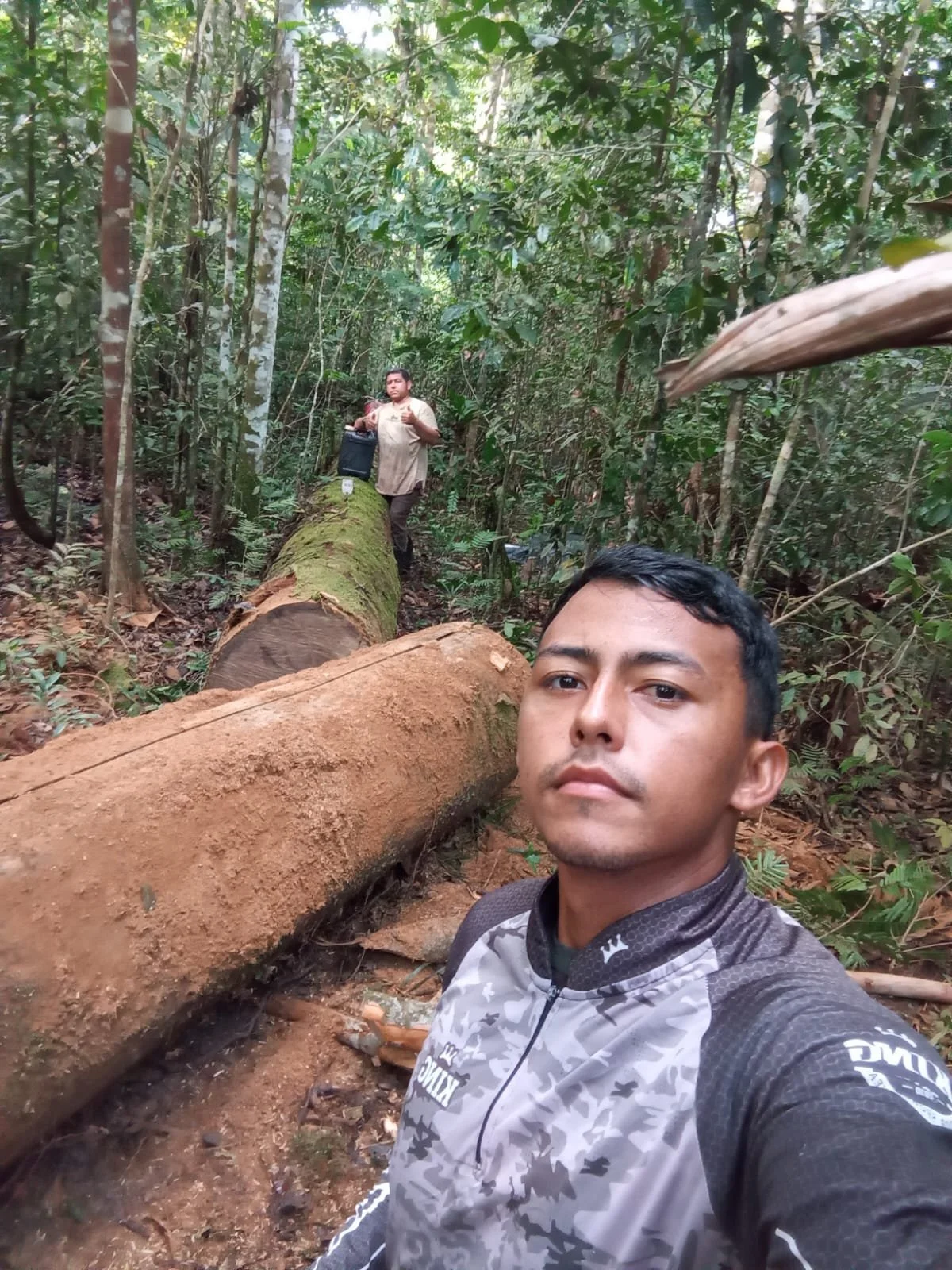
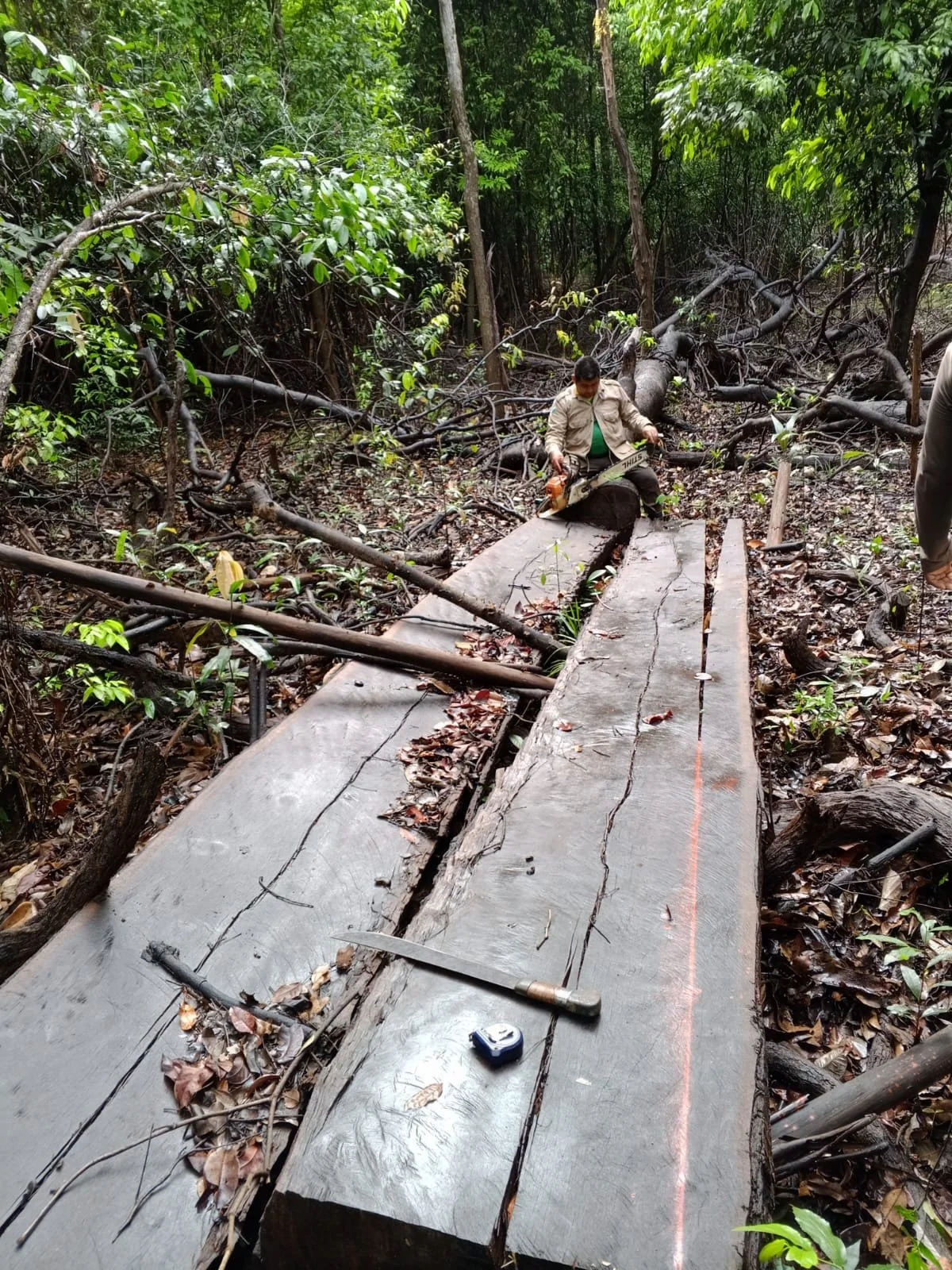
Construction will start with purchasing the needed tools and equipment. Then, the team will recover high-quality wood for the building from fallen timber from previous logging events and fires. The center is committed to sourcing construction wood from available wood without cutting down trees. One of the elders, Antônio Pereira, and Franciel Lima de Lima, the son of the association president, Francisco Lima de Lima, will accomplish this task.
Crooked Trails is providing $5,000—half of the project's total cost—to support construction, materials, and training, with additional investment from partners including Our Whole Village. Together, this collaborative funding is helping build a lasting foundation for inclusive, community-led tourism. The Itaquera Artisan Center will create new livelihoods while preserving cultural traditions and protecting the Jauaperi River for generations to come.