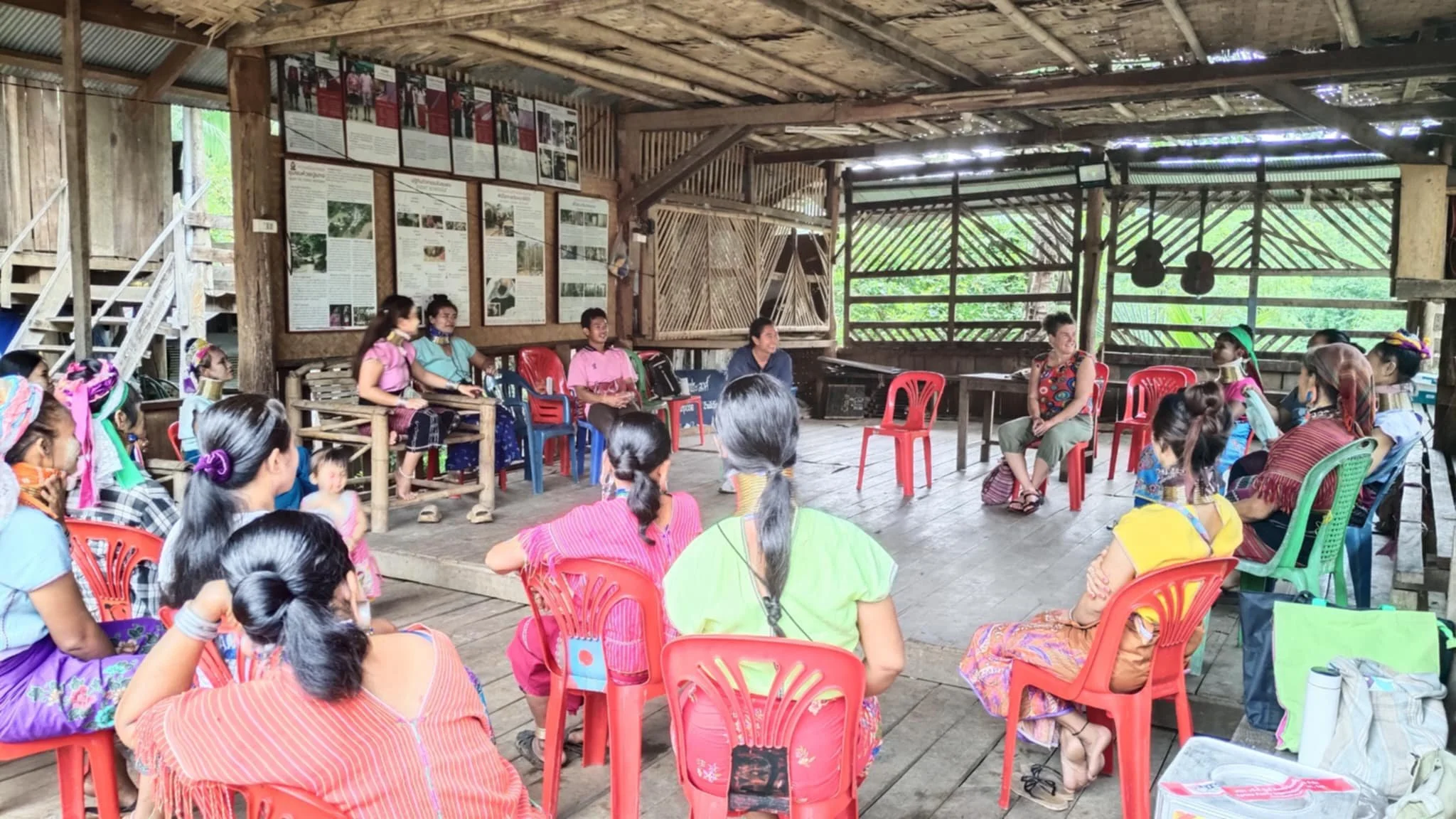
Huay Pu Keng Community-Based Tourism project

Thailand - Huay Pu Keng
In 2026, Crooked Trails funded the second phase of the Huay Pu Keng Community-Based Training Project, marking a pivotal shift toward true community stewardship.
This phase focuses on professionalizing the foundations necessary for long-term, community-led tourism management. The primary beneficiaries include current participants, local leaders, and households preparing for future homestay involvement.
By fostering independence, the initiative ensures the community remains in control of its own economic development. This transition is essential for building a resilient
and self-sufficient local ecosystem. Key activities center on structured skills training delivered by the experienced Mae Hong Son CBT Network. A comprehensive homestay readiness assessment will also be conducted to evaluate safety, comfort, and reporting standards for future expansion.
To modernize operations, the project is introducing "lean" Monitoring, Evaluation, and Learning (MEL) tools for tasks like visitor logging and fund tracking. Additionally, digitalization scoping will assess connectivity and identify potential booking partners. These practical steps bridge the gap between traditional hospitality and modern tourism needs.
And these improvements will help Huay Pu Keng become more commercially discerning and better equipped to attract the right tourism opportunities. By distributing booking and reporting responsibilities across multiple trained members, the community reduces its dependency on single coordinators and strengthens collective resilience.
A major goal is to increase the number of high-quality, credible homestays available to guests. This diversification of roles ensures a consistent experience while allowing the community to set healthy boundaries on visitor volume. Ultimately, it empowers residents to navigate their tourism journey with confidence.
Beyond the immediate community, this project serves as a blueprint for ethical tourism development across Thailand and beyond. Through a robust MEL framework, the initiative will systematically document over a decade of on-the-ground impact. This evidence base is vital for building credibility with international donors and showcasing a successful, scalable model.
By championing these standards, the project creates a replicable standard for community-led, sustainable tourism. It stands as a powerful testament to the impact of local stewardship.
The Huay Pu Keng Community-Based Tourism Training - 2025 Grant Update
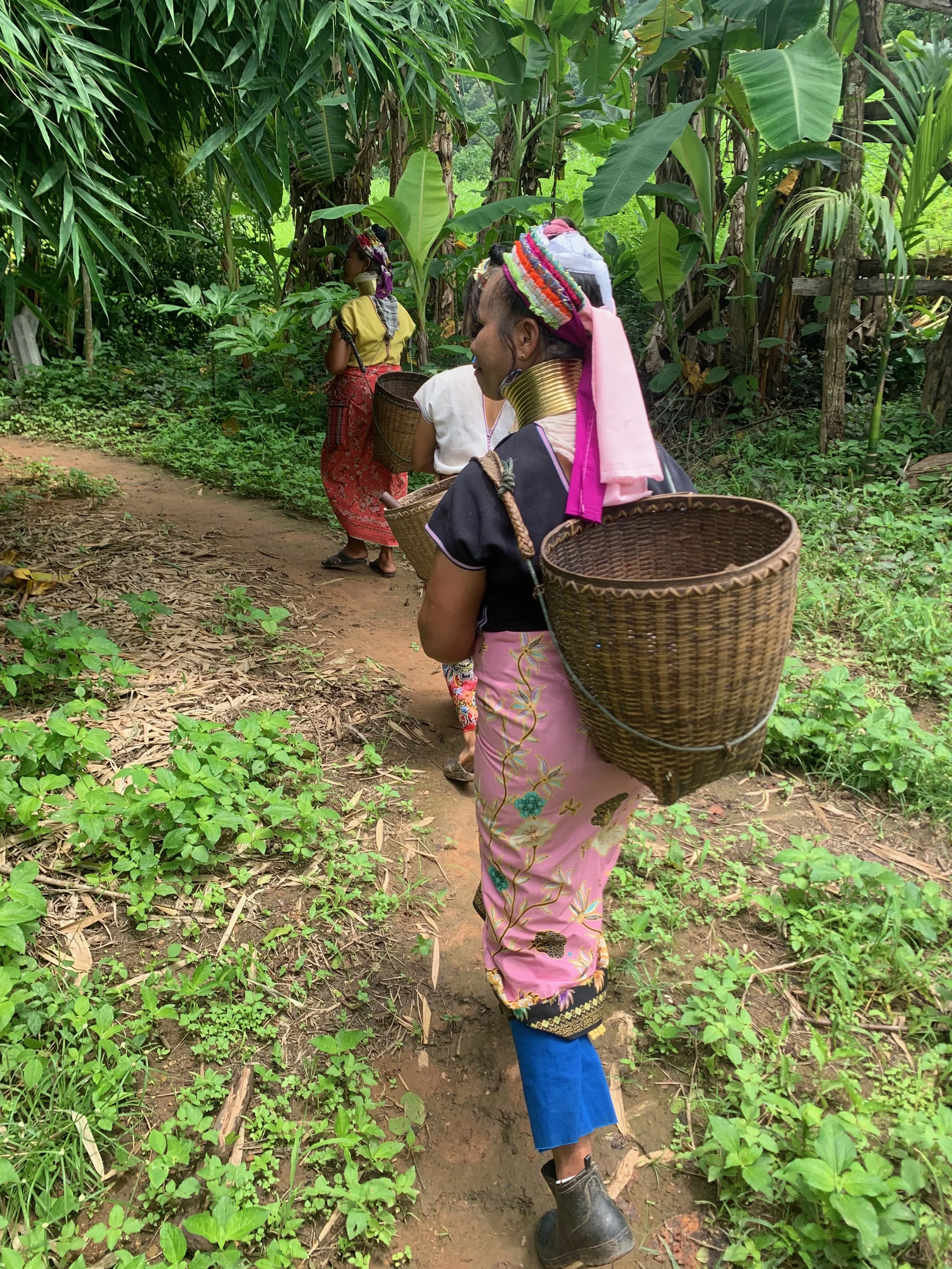
The Huay Pu Keng Community-Based Tourism Training was successfully held from July through September of 2025 and continued with field activities that allowed participants to explore local nature trails and connect tourism concepts to real community experiences.
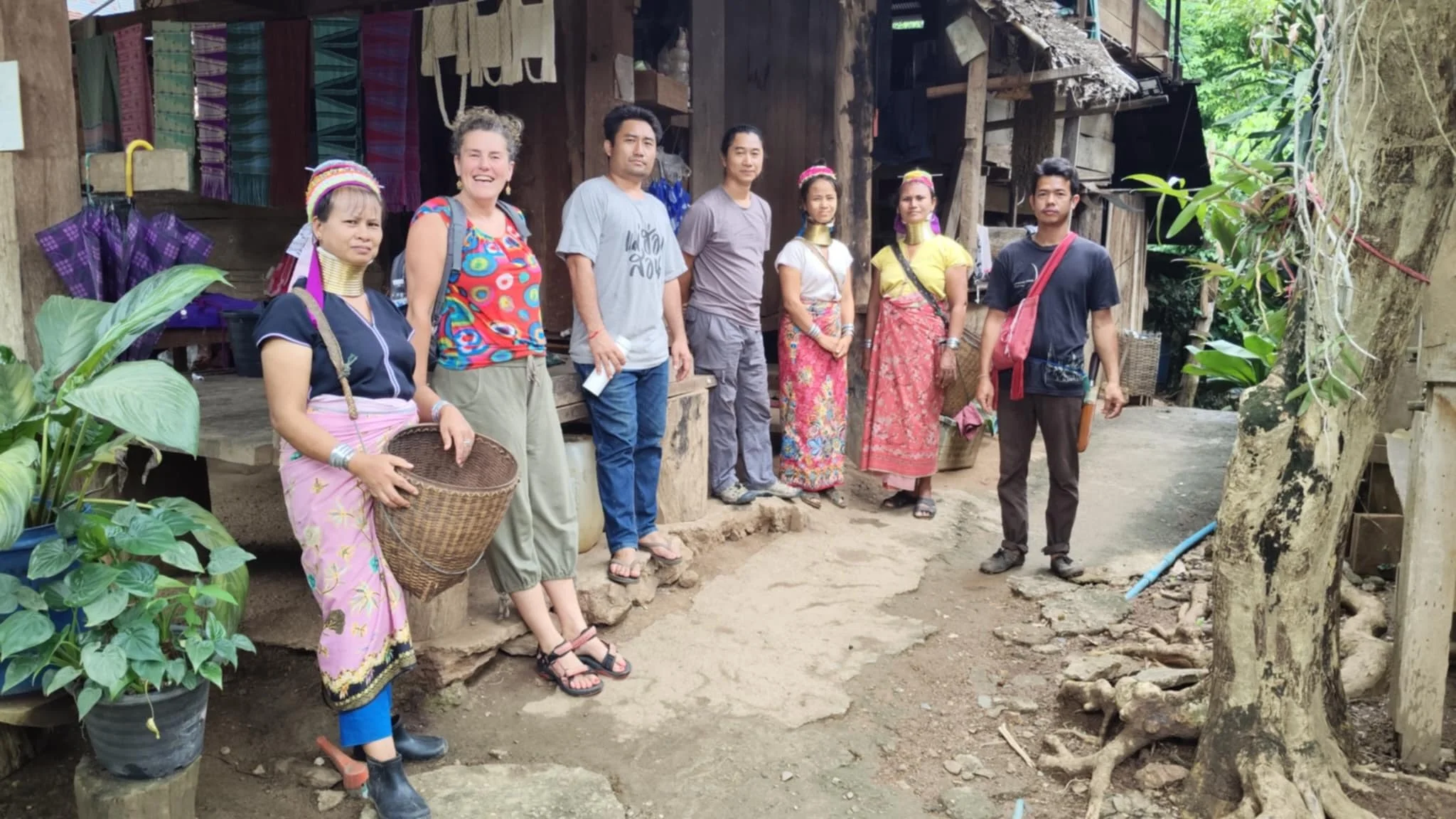
Although the training period was relatively short, it provided valuable preparation for deeper learning and future growth. Community members began exchanging ideas and building connections by participating in tourism management meetings and knowledge-sharing networks with other successful community-based tourism groups in Mae Hong Son Province and with Thai Localista. These exchanges created opportunities for ongoing learning, practical experience, and collaboration beyond the initial training period.
Overall, the project was a positive and meaningful first step in preparing the community for future tourism development. Some challenges, including limited participant availability and delays due to a natural disaster, hindered the establishment of a formal management system. However, these experiences also highlighted important next steps, including specialized small-group training, broader participation from diverse community groups, the development of transparent management structures, and the collaborative design of diverse tourism programs.
With continued support and learning opportunities, the community is well-positioned to build a strong and sustainable community-based tourism model in the future.

Huay Pu Keng Community-Based Tourism Project - 2025
Photos courtesy of Charlotte Louwman-VogelsThe Huay Pu Keng Community-Based Tourism project is a collaboration between the Huay Pu Keng community members in Thailand and Fair Tourism, a Thailand-based non-profit committed to shifting the narrative around indigenous communities from passive tourist attractions to empowered leaders of their own stories.
Fair Tourism supports local communities in reclaiming agency through Community-Based Tourism (CBT), a model that allows them to preserve and share their cultural identity on their own terms.
Their mission is rooted in the belief that ethical, respectful tourism has the power to enrich both travelers and host communities, fostering genuine connections that go far beyond superficial experiences.
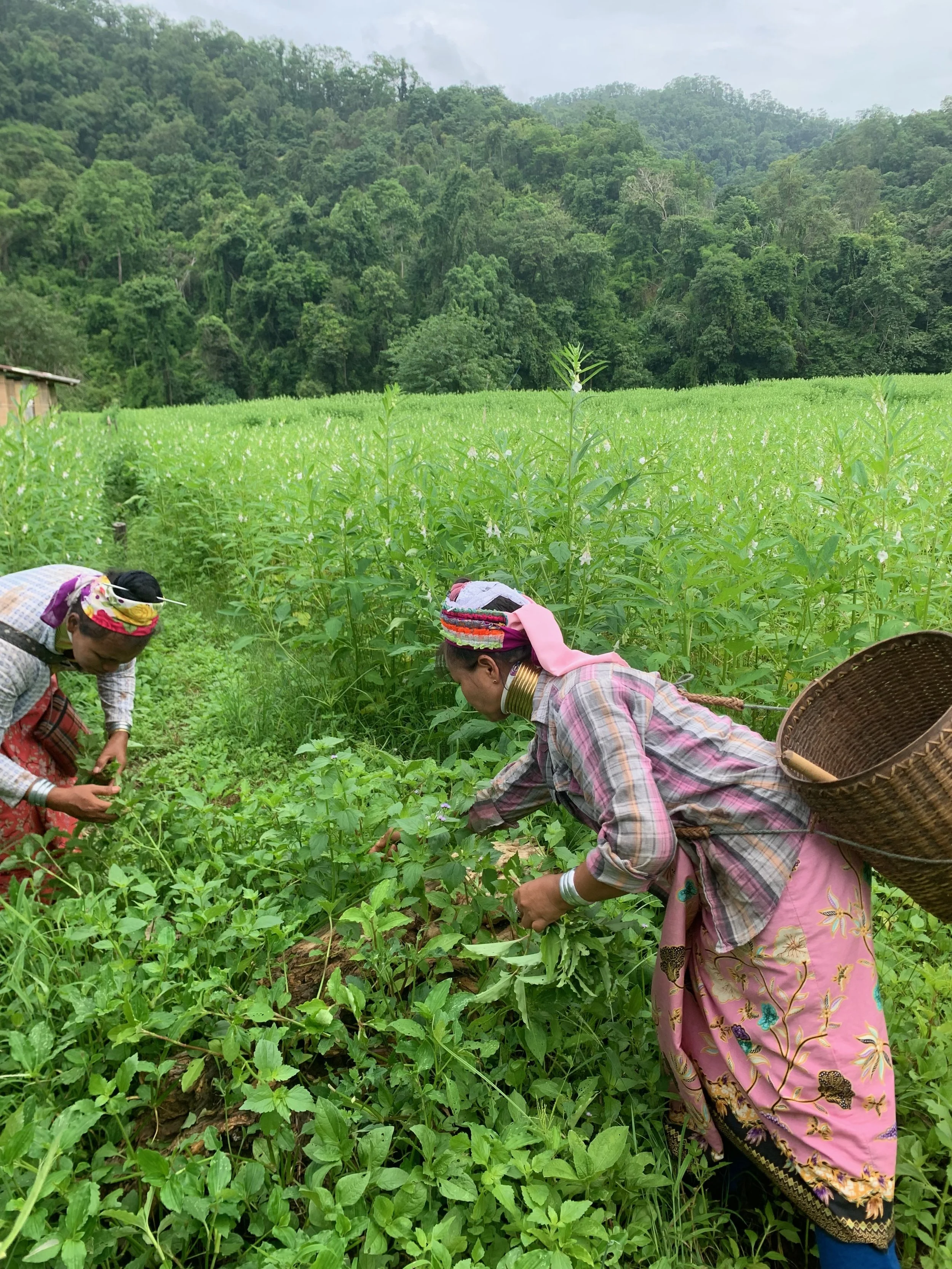
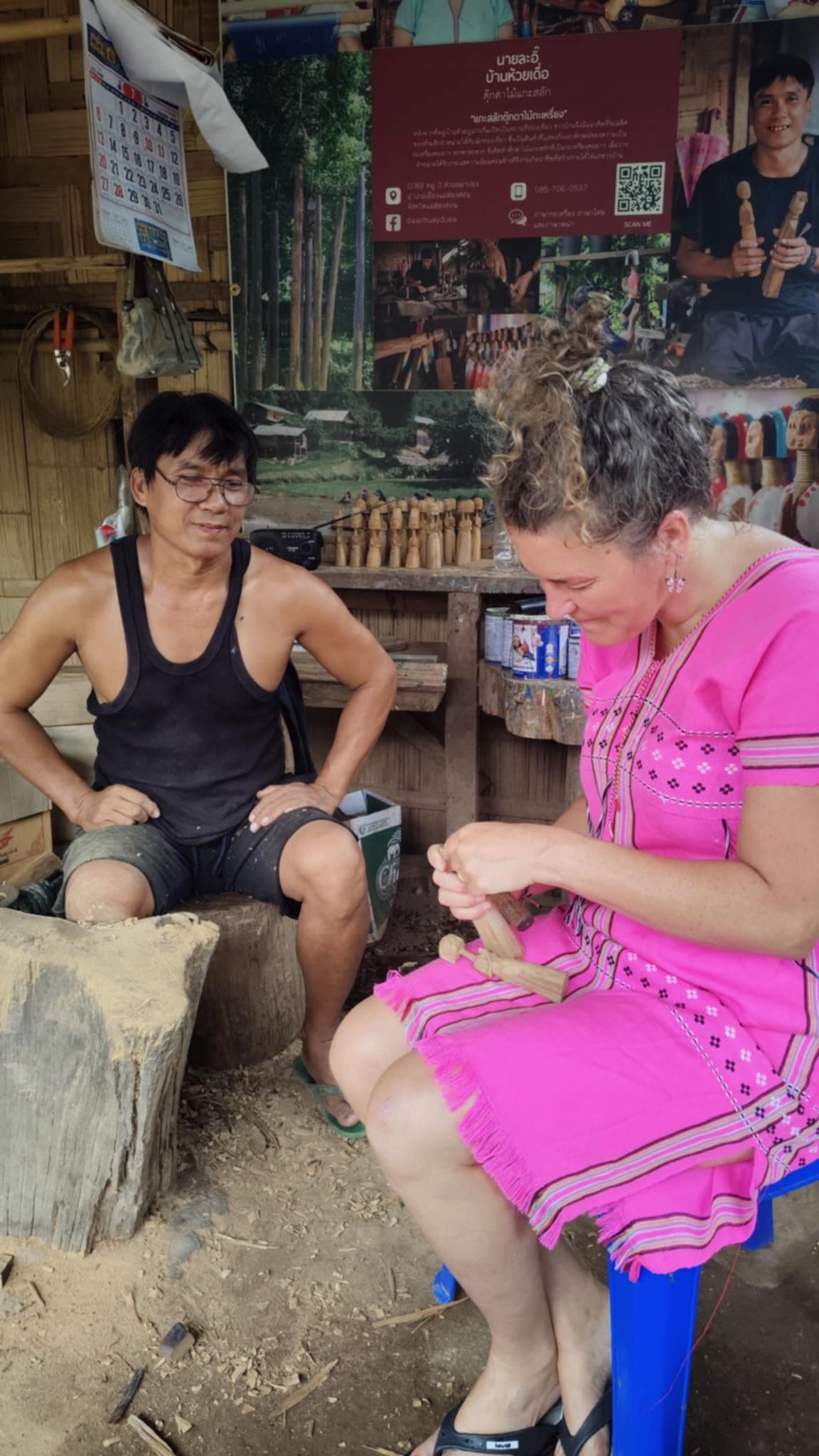
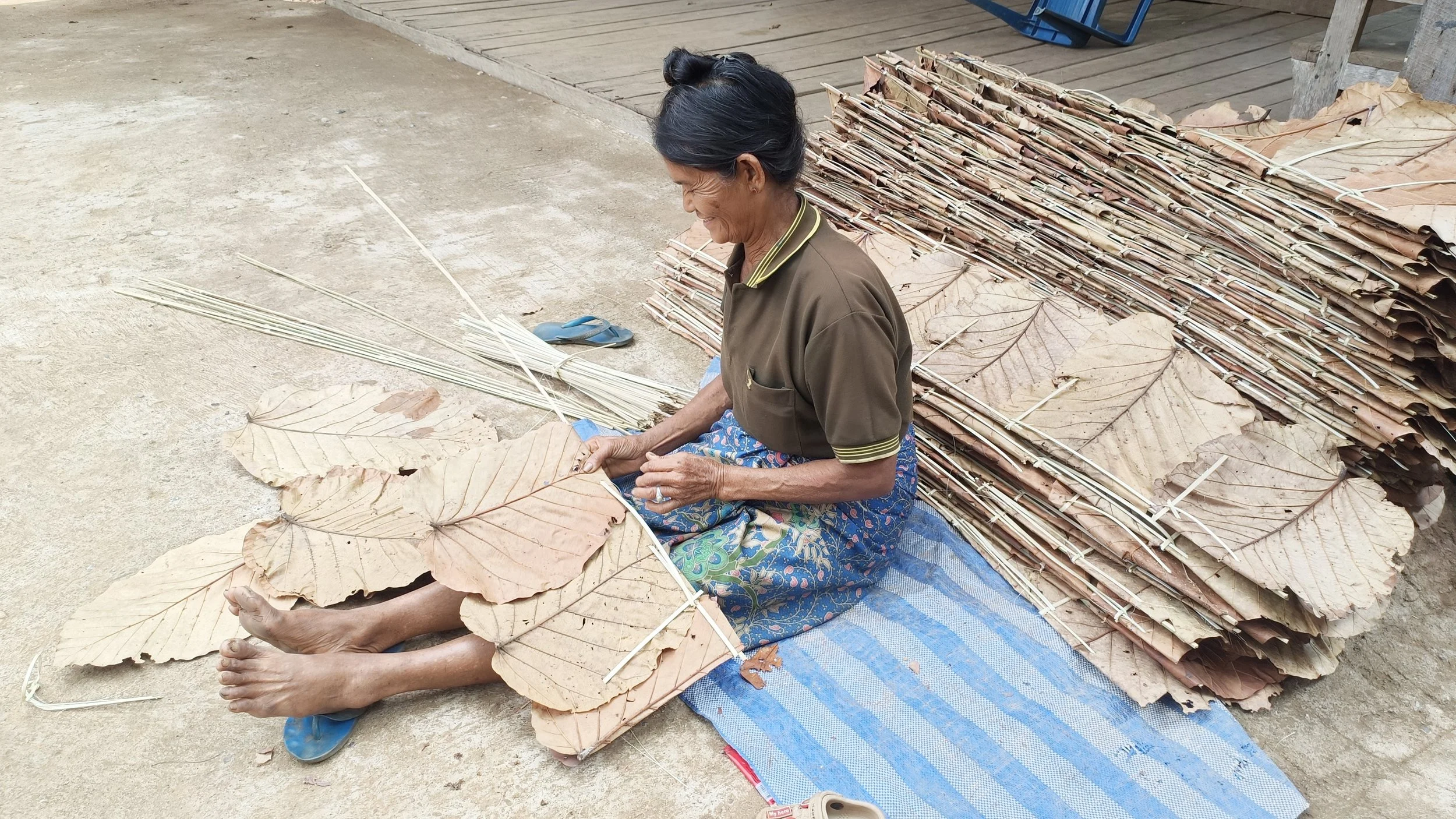
Since 2012, Fair Tourism has collaborated closely with the Karenni village of Huay Pu Keng, located in Thailand’s Mae Hong Son province, to establish a new standard for responsible travel. Previously subjected to exploitative tourism, the village is now a pioneer in Community-Based Tourism (CBT), offering immersive, community-led experiences such as traditional weaving, bamboo and jewelry-making workshops, and nature-based tours that focus on medicinal plants.
Huay Pu Keng is Thailand’s only Karenni village practicing this model, and it’s a vibrant example of how tourism can be a force for cultural preservation and economic resilience.
The project is deeply community-driven, with over 200 residents—including Karenni subgroups (Kayan, Kayaw, Pakayor, Red Karen) and ethnic Shan—taking part in decision-making processes.

With your continued donations, Crooked Trails can fund more inspiring projects that empower local communities and create meaningful connections through responsible travel. Keep the momentum going—donate today and help us bring more stories like this to life!
Community members gained a strong foundation in community-based tourism management, including how to identify and develop local tourism resources such as culture, traditional knowledge, agriculture, natural environments, crafts, and community lifestyles. The project also strengthened awareness of the importance of collaborative management systems and long-term planning for sustainable tourism development.
Cultural values, traditional knowledge, and natural heritage guide how tourism is structured and delivered. Villagers select local representatives to ensure leadership is genuinely reflective of community needs. Fair Tourism’s role is to support and empower, offering tools and training while ensuring that the community itself defines all priorities.
Looking ahead, we are continuing to adopt the 5C model of CBT—Consider, Conceive, Craft, Connect, and Conserve—as developed by experts Peter Richards and Potjana Suansri.
New training programs, informed by local input, will help address gaps in areas such as English, hospitality, marketing, and financial literacy. A digitized booking system will also be introduced to enhance safety, transparency, and efficiency. The formation of a local CBT group will enable villagers to assume roles that align with their skills and passions, thereby further encouraging meaningful participation and ownership.
Ultimately, this project aims to establish Huay Pu Keng as a leading example of regenerative tourism—one that harmonizes cultural pride, environmental stewardship, and economic opportunity.

Visitors gain a richer understanding of indigenous life, while the community benefits from fairer working conditions, continued skill development, and long-term sustainability.
Through capacity building and a shared commitment to ethical tourism, we’re helping lay the foundation for a future where indigenous voices are heard, respected, and celebrated.